Acne Treatment Options: What Actually Helps Breakouts and Scarring in Palm Desert, California

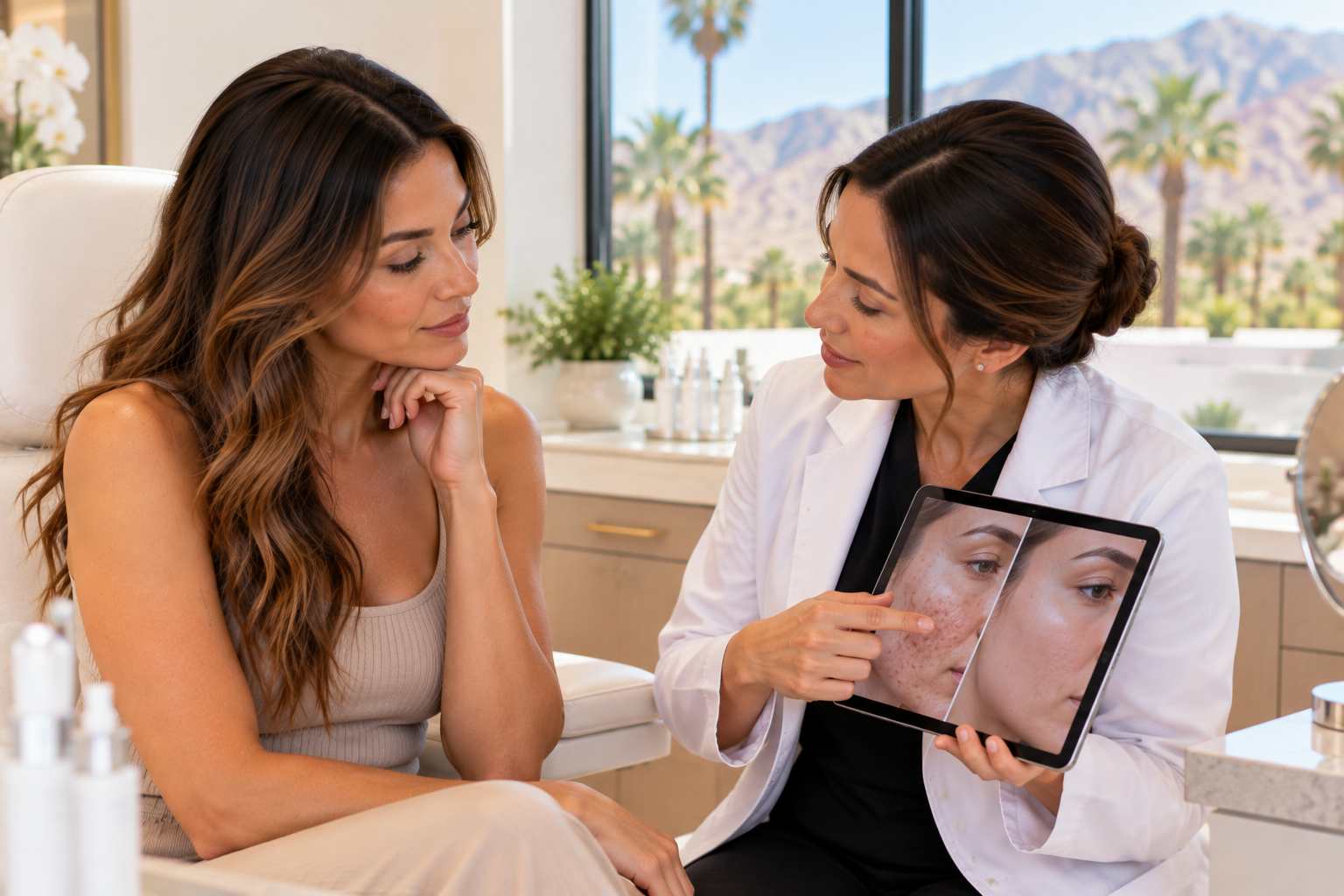
If you have spent any time searching for acne treatment in Palm Desert, California, you already know the topic is more complicated than a single product or appointment can fix. Acne shows up differently depending on your age, your hormones, your skincare routine, and even the climate you live in, and the Coachella Valley's dry heat and intense sun add a layer that many people do not think about until their skin starts reacting to it. Updated for September 2026, this guide walks through what actually causes breakouts, how active acne differs from the scarring it can leave behind, and what steps genuinely help both.
This article is meant to answer the questions real people ask before they ever set foot in a clinic. We will talk through causes, triggers, prevention, and when it makes sense to bring in a professional, and we will point you toward the resources CSI (Comprehensive Surgery Institute of the Desert) offers for skin clarity and texture along the way.
What Causes Adult Acne Breakouts?
Acne is not just a teenage problem. A huge number of adults deal with breakouts well into their thirties, forties, and beyond, and the root causes are often different from what caused acne in adolescence.
At its core, acne develops when hair follicles become clogged with oil (sebum) and dead skin cells, creating an environment where acne-causing bacteria multiply and trigger inflammation. In adults, this cycle is frequently driven by:
Hormonal Fluctuations
Hormonal acne is one of the most common reasons adults, especially women, continue to break out. Shifts related to the menstrual cycle, pregnancy, perimenopause, or conditions like polycystic ovary syndrome (PCOS) can increase oil production and lead to breakouts that cluster around the jawline and chin.
Stress
Stress does not directly cause acne, but it raises cortisol levels, which can increase oil production and inflammation, making existing breakouts worse or triggering new ones.
Diet and Lifestyle
Some research links high glycemic diets and dairy consumption to acne flare-ups in certain people, though this varies a great deal from person to person.
Skincare and Makeup Products
Heavy, pore-clogging (comedogenic) products, or simply not removing makeup and sunscreen thoroughly at the end of the day, can contribute to clogged pores and breakouts.
Genetics
If your parents struggled with acne, you are statistically more likely to as well. Genetics influence oil gland size, skin cell turnover rate, and inflammatory response.
Is Acne Scarring Different From Active Acne?
Yes, and understanding the difference matters because it changes what kind of help you should be looking for.
Active acne refers to the current breakouts on your skin: the whiteheads, blackheads, papules, pustules, or cysts that are actively forming and healing. Acne scarring, on the other hand, is the lasting texture change left behind after inflammation damages the skin and its underlying collagen.
There are a few common types of acne scarring:
- Atrophic scars (the most common type), which create shallow depressions in the skin, including icepick, boxcar, and rolling scars
- Hypertrophic or keloid scars, which are raised rather than sunken
- Post-inflammatory hyperpigmentation, which is not technically a scar but shows up as dark or red marks that linger after a pimple heals
This distinction is important because treating active breakouts and improving the appearance of old scarring are two different goals, and they often call for different approaches. CSI's dedicated page on Acne & Acne Scarring breaks down this concern in more detail and is a good place to start if you are trying to figure out which category your skin falls into.
How Does Desert Climate Affect Acne-Prone Skin?
Living in Palm Desert comes with real skincare tradeoffs. The dry heat, intense UV exposure, and frequent air conditioning can all interact with acne-prone skin in ways that make breakouts and scarring harder to manage.
Sun Exposure Worsens Discoloration
Ultraviolet light stimulates melanin production, which can darken post-acne marks and make hyperpigmentation more noticeable and longer lasting. Sun exposure can also break down collagen, which may make existing atrophic scarring appear more pronounced over time.
Heat and Sweat Can Trigger Breakouts
Excess heat increases sweat and oil production, both of which can mix with sunscreen, makeup, and daily grime to clog pores more easily during the hotter months in the Coachella Valley.
Dry Air Can Backfire
It sounds counterintuitive, but dehydrated skin can actually produce more oil to compensate, which sometimes leads to more breakouts, not fewer. Many desert residents also over-exfoliate or use harsh acne products in an attempt to control oil, which strips the skin barrier and creates a cycle of irritation and inflammation.
The takeaway is that sun protection, gentle cleansing, and proper hydration are not optional extras in this climate. They are foundational to keeping both active acne and scar visibility under control.
What Are Some Practical Prevention and Skincare Habits?
While there is no single fix that works for everyone, a few consistent habits make a meaningful difference for most people dealing with breakouts:
- Cleanse twice daily with a gentle, non-stripping cleanser. Over-washing or using harsh scrubs can irritate skin and worsen breakouts.
- Use broad-spectrum sunscreen every single day. This is especially critical in Palm Desert, where UV exposure is intense nearly year-round, and it directly protects against worsening hyperpigmentation and scar visibility.
- Avoid picking or popping breakouts. This is one of the biggest contributors to permanent scarring, since picking drives inflammation deeper into the skin.
- Choose non-comedogenic skincare and makeup products. Look for labels that specify they will not clog pores.
- Stay consistent with a routine. Skin needs weeks, not days, to respond to changes in a routine, so patience matters more than most people expect.
- Change pillowcases and clean phone screens regularly. These are small sources of bacteria and oil transfer that many people overlook.
CSI's Skincare Products line, along with the Shop - Correct collection, includes options formulated to support clearer, more balanced skin as part of a daily routine.
When Should You See a Professional About Acne or Scarring?
At-home habits go a long way, but there are clear signs it is time to talk to a professional rather than continuing to self-treat:
- Breakouts are painful, deep, or cystic rather than surface level
- Over-the-counter products have not improved your skin after eight to twelve weeks of consistent use
- You are noticing new scarring or dark marks that are not fading
- Acne is affecting your confidence or daily life
- You are unsure whether what you are seeing is active acne, scarring, or another skin condition entirely
A professional evaluation can help clarify what is actually happening with your skin and which options make sense for your specific concerns, whether that means a conversation about your routine or exploring in-office options for texture and tone.
What Treatments Can Help Improve the Appearance of Acne Scars?
This is where CSI's med spa services come in, specifically for supporting skin clarity, texture, and the appearance of acne scarring rather than treating active breakouts themselves. Several treatments available through CSI's Skin Health category are commonly used by people working to improve how their skin looks and feels after acne has healed.
HydraFacial
HydraFacial is a multi-step treatment that cleanses, exfoliates, and hydrates the skin. Many people find it helpful for maintaining a clearer, more even-looking complexion and for supporting overall skin health as part of an ongoing routine.
Chemical Peels
Chemical Peels work by exfoliating the outer layers of skin, which can help improve the appearance of surface-level discoloration and rough texture that often lingers after acne heals.
Microneedling and Collagen Induction Therapy
Microneedling / Collagen Induction Therapy creates controlled micro-injuries in the skin to stimulate the body's natural collagen production. This is one of the more commonly discussed options for supporting smoother-looking skin texture over time, which is particularly relevant for atrophic acne scarring.
Ongoing Skincare Support
Consistent use of the right Skincare Products between in-office visits helps maintain results and supports the skin barrier, which matters even more in a hot, dry climate.
It is worth being clear that none of these services are marketed or intended as a cure for active acne itself. They are supportive options for texture, tone, and the visible legacy that acne can leave behind, which is a very different (and very common) goal for a lot of people once their breakouts have calmed down. If you are also dealing with related concerns like Uneven Skin Tone & Texture, that page offers additional context on how these treatments overlap.
Bringing It All Together
Acne and acne scarring are two sides of the same coin, and understanding which one you are actually dealing with is the first step toward feeling better about your skin. In a place like Palm Desert, where sun and heat play an outsized role, protecting your skin daily is just as important as any product or treatment you choose. From there, a combination of consistent home care and, when appropriate, professional support for texture and tone can make a real difference.
If you want to learn more about how CSI approaches this concern, their Acne & Acne Scarring page is a strong starting point, and their full Services overview shows the broader range of skin health options available. You can also reach out directly through their Contact page to ask questions about which options might fit your skin.
Frequently Asked Questions
Does CSI offer a specific acne treatment? CSI does not offer a single, named acne treatment service, but they do have a dedicated resource on acne and acne scarring along with several med spa options, like HydraFacial, chemical peels, and microneedling, that support skin clarity and texture once breakouts have healed.
Can chemical peels get rid of acne scars completely? Chemical peels can improve the appearance of surface-level discoloration and rough texture, but results vary by scar type and depth, and most people see gradual improvement rather than complete removal.
Is microneedling good for acne scars? Microneedling is commonly used to support smoother-looking skin texture by stimulating natural collagen production, which can be helpful for certain types of atrophic acne scarring over a series of sessions.
Why does my acne get worse in the summer in Palm Desert? Increased heat, sweat, and sun exposure can all raise oil production and worsen visible discoloration, which is why sun protection and gentle, consistent skincare matter even more during hotter months.
How long does it take to see results from acne scar treatments? Most in-office treatments require multiple sessions spaced weeks apart, and visible improvement in texture and tone typically develops gradually rather than after a single visit.
Should I see a professional for hormonal acne? If breakouts are persistent, painful, or not responding to over-the-counter products after a couple of months, a professional evaluation can help clarify what is driving the acne and what options are reasonable for your skin.
Why Your Skin Deserves Better Than Guesswork
Chasing down every acne myth on the internet is exhausting, and your skin knows it. Between the desert sun, the endless product recommendations, and the temptation to pick at every breakout, it is easy to feel like you are working against your own face. The good news is that a little clarity goes a long way: understand what is actually causing your breakouts, protect your skin from the elements that make things worse, and lean on professional support for the texture and tone that lingers after acne fades. Your future skin will thank you for it.